
BOOSTER
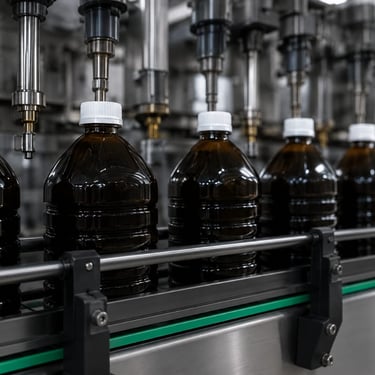
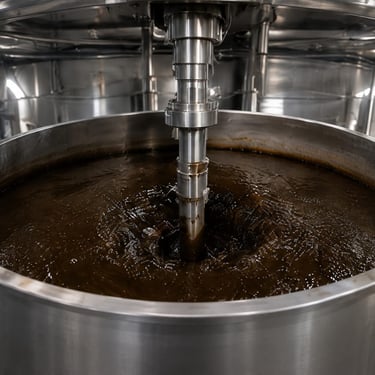
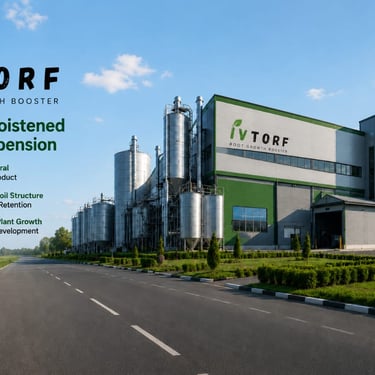
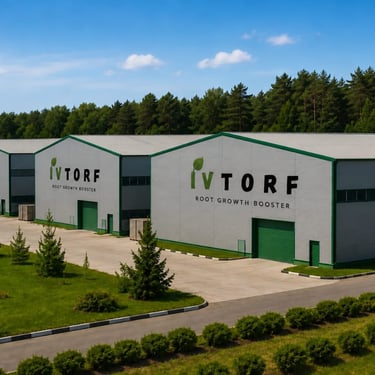
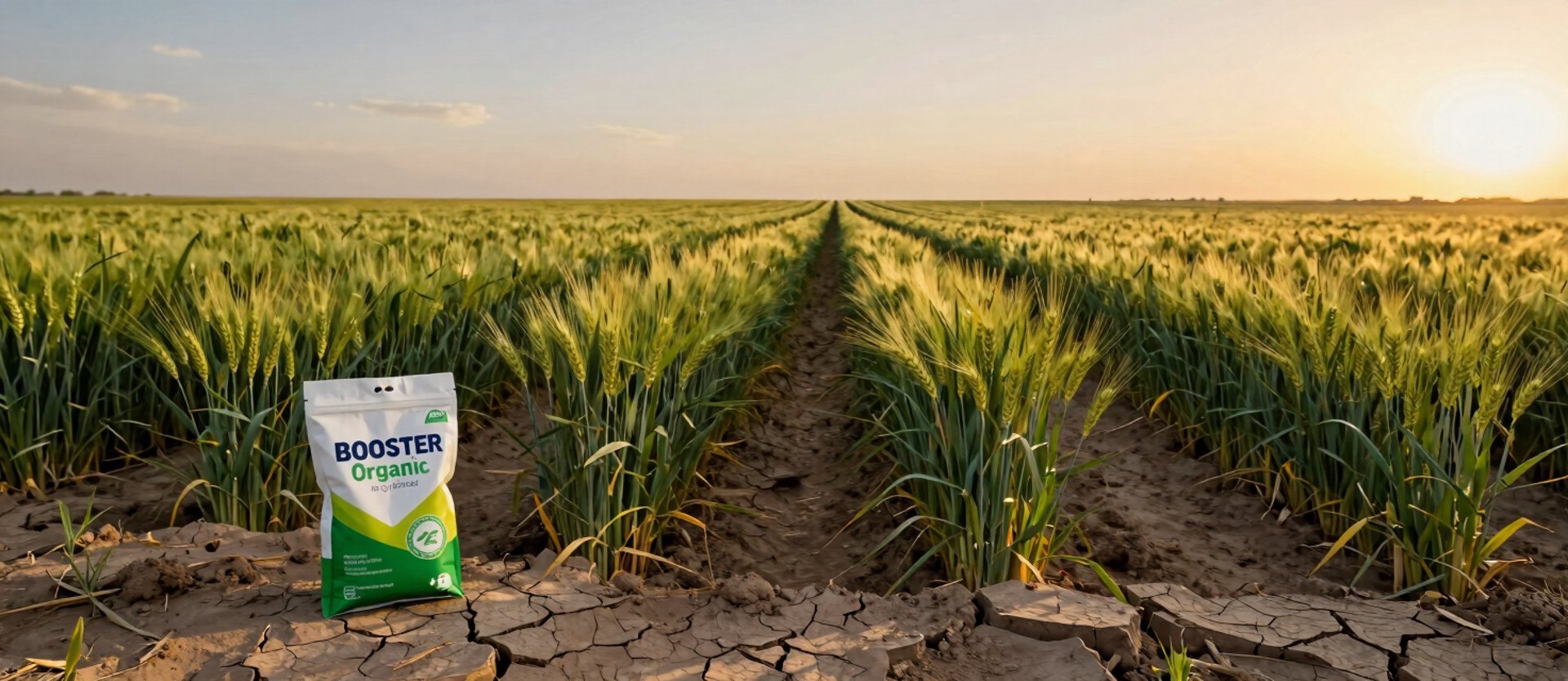
A soil regeneration stimulant verified by IV-TORF laboratory in Ivanovo, Russia. Biodegradable, composition-documented, and field-tested across Afghan growing conditions.
Ten documented soil and crop outcomes
All ten outcomes are tied to documented composition data. The technical sheet is available on request.
Soil Structure
Water Retention
Root Development
Restores aggregate stability in compacted and degraded soils, improving aeration and drainage.
Raises soil moisture-holding capacity, reducing irrigation frequency and drought stress on crops.
Stimulates deeper and denser root networks, increasing nutrient uptake from lower soil horizons.
Yield Increase
Fruit Quality
Drought Resistance
Field data shows measurable harvest volume gains across vegetables, legumes, and grain crops.
Improves sugar content and firmness in fruit crops; reduces blemish rate at harvest.
Treated crops sustain growth under water stress; verified in Afghan open-field dry seasons.
Frost Resistance
Healthier Growth
Biodegradable
Strengthens cell wall integrity, reducing frost damage in highland and late-season growing zones.
Balanced organic input supports uniform germination and steady vegetative growth from first application.
Fully breaks down in soil within one growing season; leaves no chemical residue in the field.
Environmental Safety
Cleared under IV-TORF lab testing; safe for groundwater, soil biota, and adjacent crop areas.
Crop-specific rates. Tested conditions.
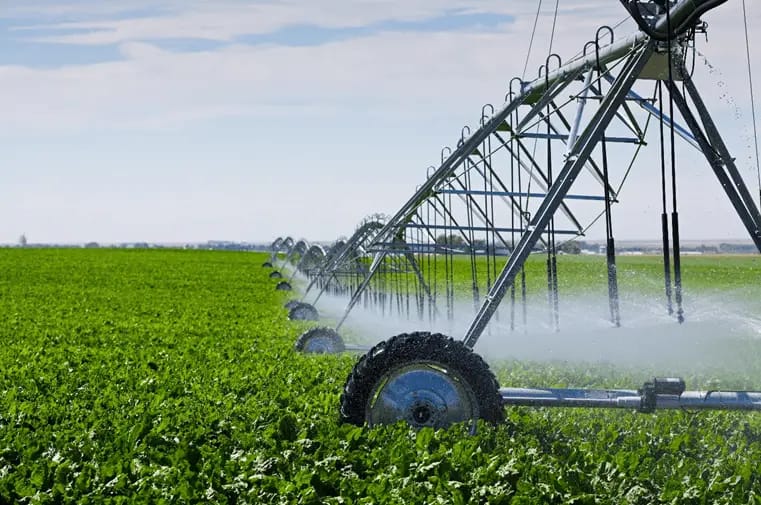
The application rate is 5 liters per hectare. This product should be used 4 times during the season. Mix 1 liter of this concentrated liquid in 300 liters of water.
First application: At the time of sowing seeds or planting seedlings
Second application: At the time of plant germination
Third application: At the time of full plant growth
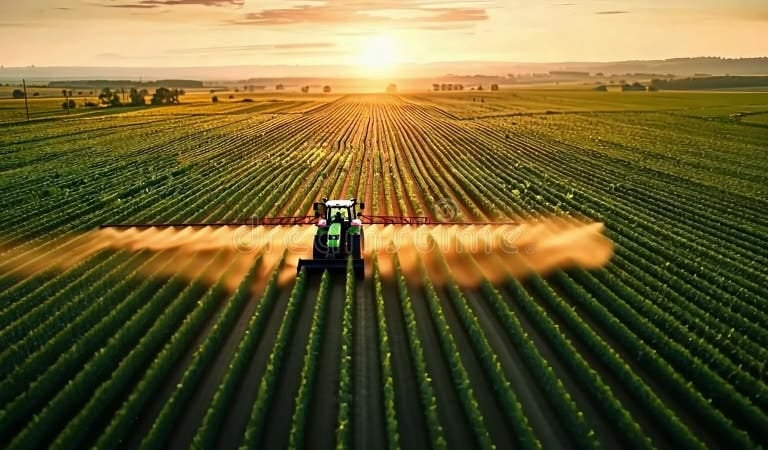
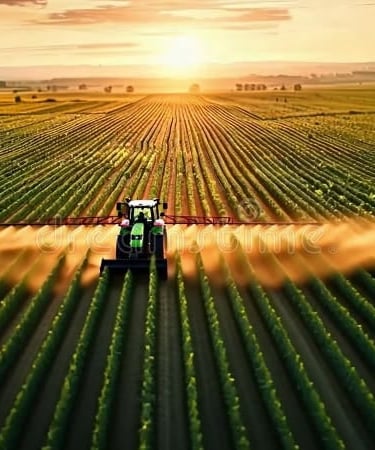
Suitable for open fields, greenhouses, parks, and commercial orchards across Afghanistan's varied growing zones — from Herat lowlands to highland provinces.
Crops: wheat, tomato, potato, cucumber, grape, pomegranate, cotton, saffron, legumes, greenhouse vegetables.